Average cost of downtime now hovering at $9,000 per minute
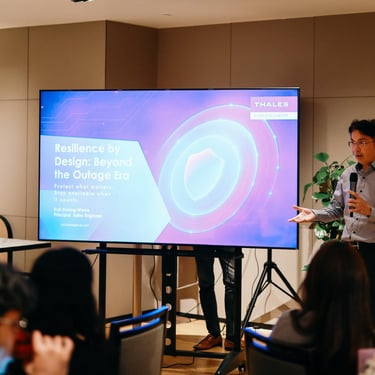
In an era where digital business is synonymous with total availability, the traditional "Disaster Recovery" mindset is no longer enough. As we navigate 2026, the industry has reached a tipping point: downtime is no longer just a technical glitch—it is a financial catastrophe, a regulatory violation, and a permanent stain on brand trust.
Key Discussion Pillars:
The 4-Step Resilience Roadmap: A strategic framework to Assess, Consolidate, Engage, and Iterate your application posture.
Architecting for the "When," Not "If": Why 2026 mandates a shift toward a robust security fabric and multi-cloud redundancy as AI adoption accelerates.
Attack-Driven Outages: Combating DDoS, API abuse, and malicious bots through Unified WAAP and virtual patching at the edge.
Defining the "Point of No Return": Practical strategies for establishing your Maximum Tolerable Outage (MTO) and executing effective tabletop exercises.
With the average cost of downtime now hovering at $9,000 per minute, and frameworks like the EU’s Digital Operational Resilience Act (DORA) mandating that firms prove their ability to withstand disruptions, resilience has shifted from a "nice-to-have" to a core strategic imperative.an era where digital business is synonymous with total availability, the traditional "Disaster Recovery" mindset is no longer enough. As we navigate 2026, the industry has reached a tipping point: downtime is no longer just a technical glitch—it is a financial catastrophe, a regulatory violation, and a permanent stain on brand trust.
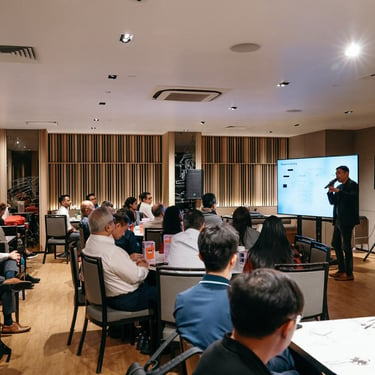
This exclusive roundtable gathers senior IT leaders and security architects to move beyond the myth that "adding more servers" prevents outages. We will dive deep into the transition from basic High Availability (HA) to Fault Tolerant (FT) "specialist" architectures—the difference between a quick recovery and never losing service in the first place.
Join us to learn how to bridge the "architectural gap" and ensure your business remains airborne, even when an engine fails. Resilience isn’t accidental—it’s architectural.